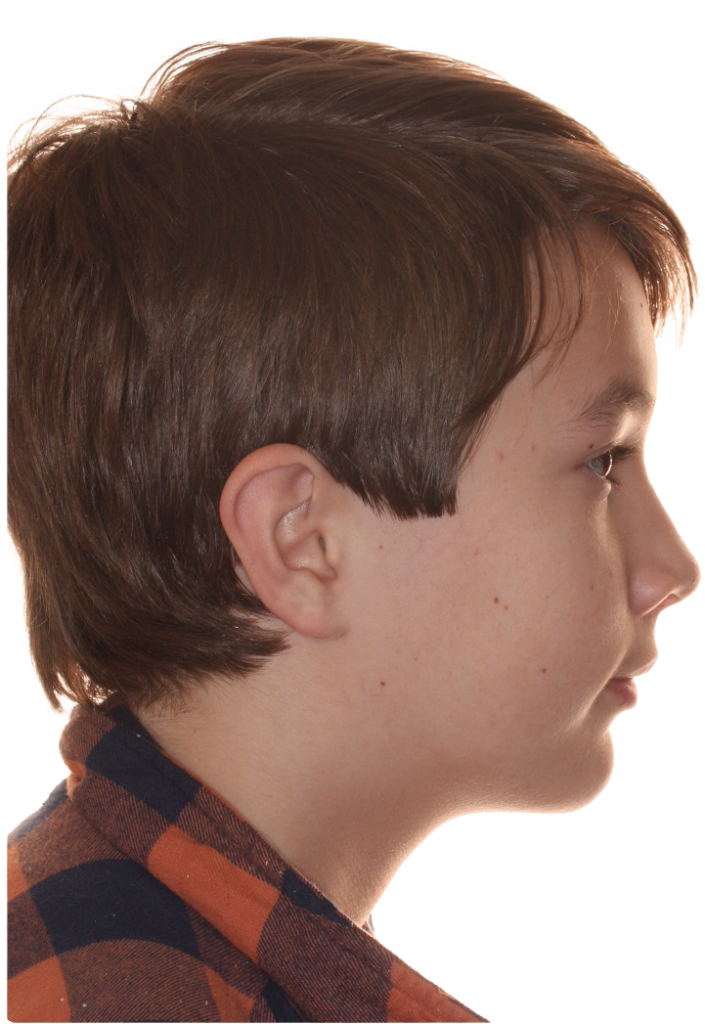
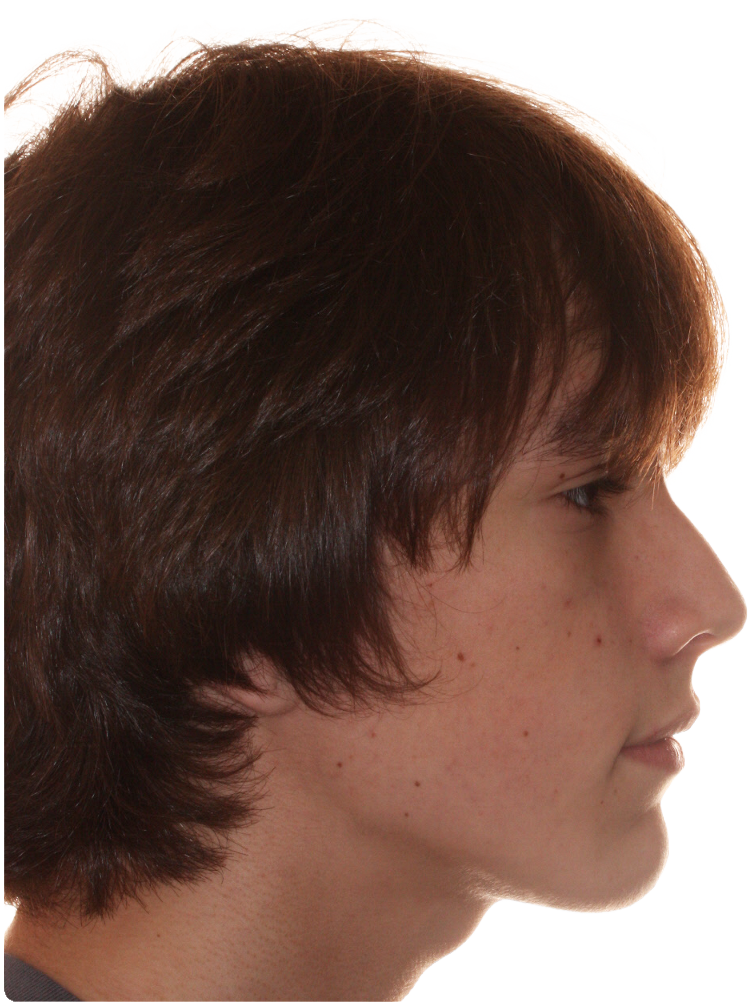
Struggles with mouth breathing, restless sleep, snoring, or fatigue can be signs of an underlying airway concern. At OP Smiles, we take a comprehensive approach to orthodontic care, looking beyond straight teeth to understand how breathing, jaw development, and airway function are connected.
Through a detailed evaluation of jaw structure, tongue posture, and nasal airflow, we identify factors that may be contributing to both bite development and breathing patterns. When appropriate, we guide treatment to support more efficient breathing, improved sleep quality, and healthy development, while also creating a balanced, natural smile.
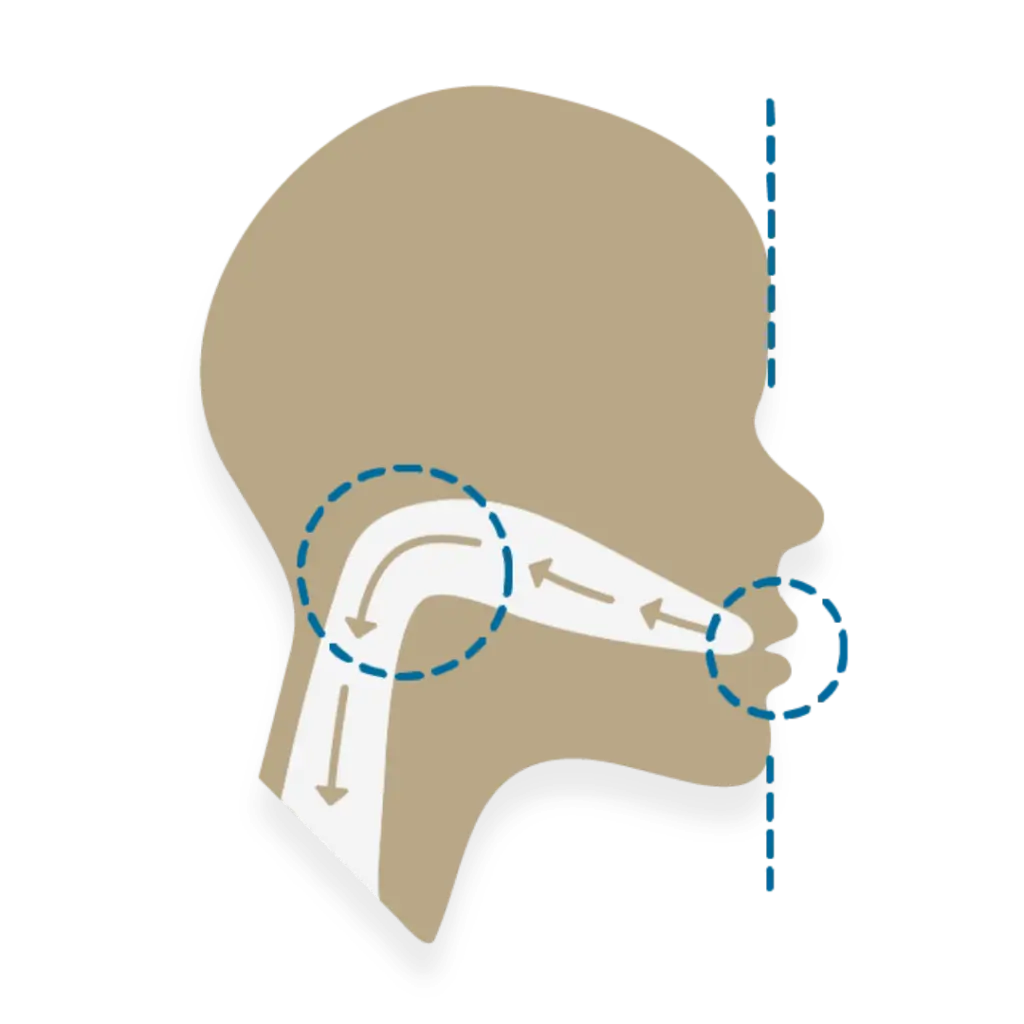
The body is designed to breathe primarily through the nose, where air is filtered, warmed, and prepared for efficient oxygen exchange. When nasal breathing is limited, the body may compensate with mouth breathing, which can influence jaw development, sleep quality, and overall function over time.
In some cases, tooth crowding and bite issues are influenced by the way the jaws and dental arches develop. When the upper arch is narrow or constricted, it can limit space for the tongue and affect how air moves through the nasal passages.
By focusing on proper jaw development and arch form, we can help create more space for the tongue, support better breathing patterns, and improve overall function. In many cases, the teeth then align more naturally as part of that process. This approach allows us to address not just how the teeth look, but how the entire system functions.
During childhood, breathing patterns can influence sleep quality, development, and overall function. By identifying airway-related concerns early, we can guide jaw development, support nasal breathing, and create a healthier foundation as your child grows.
We recommend an evaluation around age seven, or earlier if symptoms are present. At this stage, we can determine whether early guidance is beneficial or if monitoring growth is the better approach.
When appropriate, we work alongside other healthcare providers to support a comprehensive approach to care, ensuring that both airway function and orthodontic development are addressed together and at the right time.

Airway-related concerns can be easy to overlook because the signs often show up as sleep, breathing, or behavioral patterns rather than obvious symptoms. They do not always indicate a serious issue, but can be helpful indicators when evaluating airway function.
When the airway is not functioning optimally, it can affect sleep quality, energy levels, and development in both children and adults.
If you or your child experience any of the following, it may be worth a closer evaluation:
Every airway evaluation begins with a detailed, personalized assessment. We start by listening to your concerns and reviewing any symptoms you have noticed.
From there, we gather digital imaging, 3D scans, and a clinical exam to evaluate jaw structure, tongue posture, and nasal airflow. This allows us to understand how your airway is functioning and where there may be areas of restriction or imbalance.
If we identify airway-related concerns, we create a personalized treatment plan based on your specific needs. This may include orthodontic appliances, expansion techniques, myofunctional therapy, or coordination with other healthcare providers.
When expansion is appropriate, we may use appliances such as palatal expanders or orthodontic systems designed to support natural arch development, such as the Damon bracket system. Every recommendation is based on what will best support proper function, healthy development, and long-term stability.
When airway function is considered as part of orthodontic care, we are able to look beyond tooth alignment and evaluate how the entire system works together, including the jaws, airway, and surrounding structures.
By improving jaw development and arch form where appropriate, we can support more efficient breathing patterns, better sleep quality, and overall function. Many patients notice improvements in how they sleep, breathe, and feel day to day.
Our goal is to create a result where function, facial balance, and smile esthetics are aligned, so the outcome is stable, comfortable, and built to last.
Airway concerns are more common than many people realize, and they can often be addressed effectively when identified early.
Schedule a complimentary consultation at our Boone or North Wilkesboro office to better understand how your airway, bite, and development are working together.

Airway concerns are more common than many people realize, and they can often be addressed effectively when identified early.
Schedule a complimentary consultation at our Boone or North Wilkesboro office to better understand how your airway, bite, and development are working together.